


What is vinyl flooring?
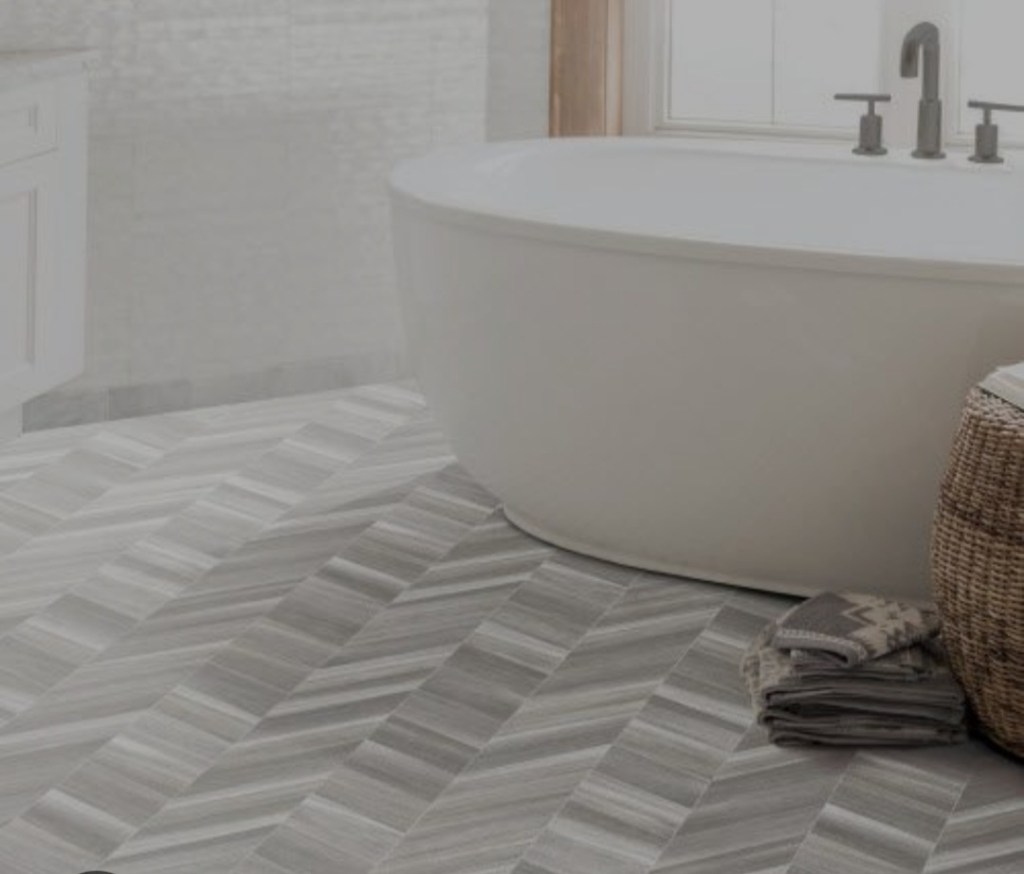
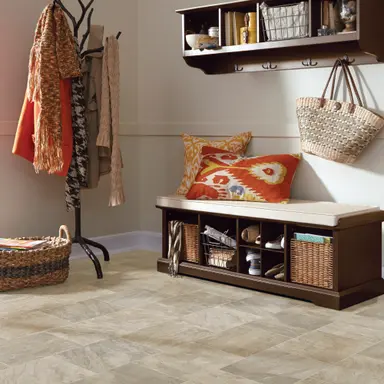
Vinyl flooring is a durable, easy-care surface that comes as Luxury Vinyl Plank (LVP), Luxury Vinyl Tile (LVT), rigid-core vinyl (SPC/WPC), and sheet vinyl. It replicates wood or stone looks with a tough, waterproof surface that’s perfect for busy Northern Ontario homes.
Is vinyl flooring waterproof and good for NORTH BAY & CALLANDER winters?
Yes—LVP/LVT and rigid-core vinyl are waterproof from the surface down, so slush, melted snow, and pet accidents wipe right up. It’s ideal for entries, mudrooms, and basements in our climate. (Note: no vinyl is “flood-proof”—standing water should be removed promptly.)
What’s the difference between LVP, LVT, SPC, WPC, and sheet vinyl?
LVP: wood-look planks; great for most rooms.
LVT: stone/tile looks (pairs well with grout-line visuals).
SPC rigid-core: stone-plastic composite; very dent-resistant and stable for temperature swings (great for cottages).
WPC rigid-core: wood-plastic composite; slightly softer/warmer underfoot.
Sheet vinyl: large rolls with minimal seams; budget-friendly and very water-resistant.
How much does vinyl flooring cost in North Bay or Callander?
Typical installed pricing:$24.99-$54.00 Square Yard. Allowance for seams and pattern matches, Qualities and Surface Prep
LVP/LVT: $7 -$10 per sq. ft. installed (ranges with wear layer, core, and trim work).
Sheet vinyl: installed.
Typical installed pricing:$24.99-$54.00 Square Yard. Allowance for seams and pattern matches, Qualities and Surface Prep
We provide free in-home estimates in North Bay & Callander.
How long do vinyl floors last?
Expect 10–20 years (often more) depending on wear-layer thickness, product quality, and foot traffic. Rigid-core products with 20–28 mil wear layers hold up best to kids, pets, and winter grit.
Can you install vinyl plank over tile or existing floors?
Often, yes. The existing floor must be flat, clean, dry, and firmly attached (no cushioned vinyl underneath). We can skim-coat grout lines or use a self-leveler so the new floor clicks together smoothly.
What goes under vinyl flooring?
A flat, dry subfloor is essential. For floating LVP/LVT we may use a sound/comfort underlayment; on concrete we may add a moisture barrier. Glue-down installations use the manufacturer’s approved adhesive—great for commercial spaces or stairs.
Is vinyl flooring safe for radiant heat?
Yes. Vinyl works well over hydronic or electric radiant systems. We follow manufacturer limits (typically max surface ~27°C/80°F) and ramp heat up slowly after install.
Is vinyl a good choice for cottages and basements around Callander & North Bay?
Absolutely. Choose SPC rigid-core for the best stability through seasonal temperature swings in cottages, and ensure basements have proper moisture testing and vapor protection. We’ll recommend products rated for three-season or unoccupied conditions if needed.
How do I clean vinyl floors during winter salt and sand season?
Use mats at doors, sweep/vacuum grit often, and damp-mop with a pH-neutral vinyl cleaner. Avoid steam mops, waxes, or abrasive pads. Felt pads under furniture and regular cleaning keep your floor looking new.