
Flooring Maintenance Q&As
What’s the best winter floor-care routine for North Bay & Callander homes?
Use boot trays and two-stage mats (outdoor scraper + indoor absorbent), sweep/vacuum daily to remove salt and sand, and wipe puddles right away. Grit is the #1 cause of micro-scratches on all hard surfaces.
How should I clean hardwood/engineered hardwood?
Daily/weekly: sweep or vacuum (hard-floor setting).
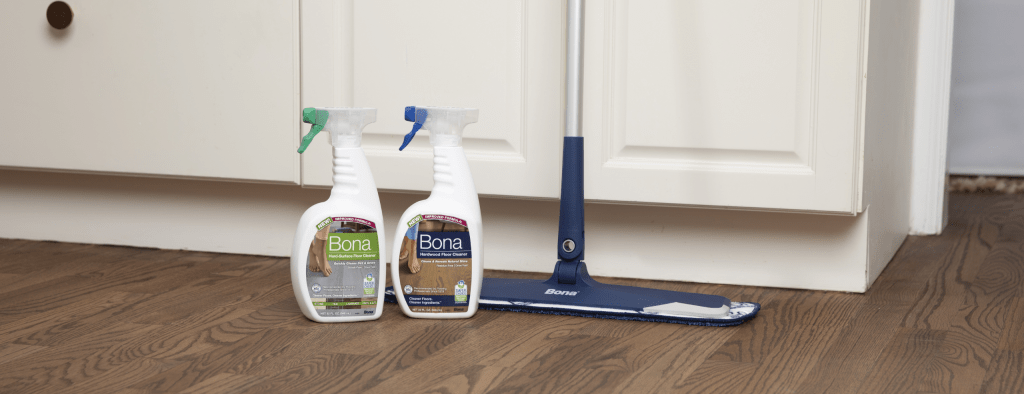
Mop: lightly damp microfiber with a pH-neutral hardwood cleaner.
Avoid: steam mops, vinegar, oil soaps, and excess water.
Maintain 35–55% RH year-round (humidifier in winter, dehumidifier in summer).
What’s the right way to clean laminate flooring?
Sweep or vacuum often; damp-mop only with laminate-safe cleaner. No steam, wax, or polish. Wipe spills quickly and use felt pads on furniture—laminate hates standing moisture and sharp grit.
How do I clean LVP/LVT/rigid-core vinyl?
Vacuum/sweep grit, then damp-mop with a neutral vinyl cleaner. Avoid steam mops, paste wax, and abrasive pads. Some rubber-backed mats can stain vinyl—choose “vinyl-safe” or natural-backed mats at entries.
What’s the maintenance for ceramic/porcelain tile and grout?
Use a neutral-pH tile cleaner. Rinse well to prevent film. Seal cementitious grout every 1–3 years (traffic dependent); epoxy grout usually needs no sealer. To remove winter salt haze, use a manufacturer-approved salt remover—never vinegar on cement grout.
How do I protect floors from winter salt, sand, and pet claws?
Mats and runners at doors, frequent vacuuming, felt pads under furniture, and nail trims for pets. Consider runner carpets on stair treads and high-traffic hallways.
Can I use a steam mop in Northern Ontario homes?
Use steam only on porcelain/ceramic tile carpet(if the tile/grout manufacturer allows it). Do not use steam on hardwood, engineered wood, laminate, or vinyl—it can force moisture into seams and cause damage.
What humidity goals should I follow to protect my floors?
For wood-based floors (hardwood, engineered, laminate), keep your home around 35–55% relative humidity and 18–24 °C. This helps prevent gapping in dry North Bay winters and cupping in humid summers.
Any special tips for cottages around Callander Bay that sit unheated?
Choose surfaces rated for seasonal homes (e.g., rigid-core vinyl, porcelain tile, engineered wood approved for wider RH swings). Before closing up, clean floors, leave mats to catch spring melt, set dehumidifiers if power remains on, and avoid leaving rugs on wood floors.
How often should I “deep clean” each floor type?
Hardwood/Engineered: screen & recoat every 3–7 years (traffic dependent).
Laminate/Vinyl: periodic professional clean/refresh as needed; repairs are plank replacements.
Tile: reseal cement grout 1–3 years; scrub with soft brush and neutral cleaner.
Area rugs/carpets: professional hot-water extraction every 12–18 months (more with pets/kids/winter traffic).
Pets and Flooring Q&As
What flooring stands up best to pets in North Bay & Callander?
Rigid-core luxury vinyl (LVP/LVT, SPC): waterproof, dent-resistant, easy to clean.
Porcelain/ceramic tile: ultra-durable; great for entries/mudrooms.
Pet-friendly carpet (solution-dyed nylon/polyester) with a waterproof pad for bedrooms/stairs.
Engineered hardwood with a tough, matte, wire-brushed finish for better scratch camouflage.
Will dog or cat nails scratch hardwood?
They can. Minimize marks by choosing harder species (oak,), matte or wire-brushed finishes, keeping nails trimmed, using felt pads on furniture, and laying runners on halls/stairs—especially helpful during gritty North Bay winters.
Can pet urine damage hardwood or laminate?
Yes. Urine is acidic and can stain wood or swell laminate seams. Blot immediately, clean with a hardwood/laminate-safe enzymatic cleaner, and dry thoroughly. Severe cases on hardwood may need a screen & recoat or spot refinish.
Is vinyl flooring safe and comfortable for pets?
Absolutely. Quality LVP/LVT is waterproof, quiet, and warm underfoot. Choose textured/matte planks for traction and products with indoor-air certifications (e.g., FloorScore/Greenguard) for pet-safe low VOCs.
What’s a “pet-friendly” carpet?
Look for solution-dyed fibers (nylon/polyester) with built-in stain protection, low or tight pile, and a moisture-barrier pad. Carpet tiles are great for quick replacements in rec rooms or cottages around Callander Bay.
How do I remove pet urine smells or stains?
Hardwood/engineered: blot, clean with wood-safe enzymatic cleaner; avoid soaking.
Laminate/vinyl: wipe, then neutral vinyl cleaner.
Tile/grout: enzymatic or oxygenated cleaner; reseal cement grout if stains persist.
Carpet: blot, enzyme treatment, then professional hot-water extraction (no steam on fresh urine—heat can set it).
How do I stop pets tracking winter salt and mud inside?
Create a paw-wash station by the door with two-stage mats (scraper outside, absorbent inside), keep towels handy, and use runners in entryways. Seal grout in tile areas and sweep/vacuum often—salt is abrasive on every surface.
My older dog slips on floors—what should I choose?
Pick matte/embossed LVP/LVT or porcelain with texture, add area rugs with non-staining pads, and consider carpeted stair runners for traction on stairs common in North Bay homes.
What’s the best flooring for pets in basements or seasonal cottages?
Go with SPC rigid-core vinyl or porcelain tile. Both handle moisture and temperature swings better than wood when cottages in Callander sit unheated part of the year. We’ll add vapor protection as needed.
How can I keep any floor looking good with pets?
Trim nails regularly, use felt pads and rugs/runners, vacuum with a hard-floor or carpet-friendly head, clean spills right away, and schedule professional carpet cleaning every 12–18 months
Start A Project Q&As
How do I start a flooring project in North Bay or Callander?
Book a free in-home measure with our North Bay/Callander team.Come select samples and take home to make choosing easier. Book a measurement where we confirm subfloor/room conditions, then provide a written quote with product options. Approve the quote, place a deposit to order materials, and we schedule installation.
What order should I renovate my house (where do floors fit)?
General sequence: demo → rough plumbing/electrical → subfloor repairs/leveling → drywall & prime → hard-surface flooring (tile, LVP/LVT, laminate, engineered) → baseboards/trim → paint touch-ups → fixtures/appliances → carpet last.
Notes: Flooring is usually last to go in after all the dirty work.
Tile often goes in before vanities/toe-kicks;
Floating floors usually run to cabinets (not under) with trim transitions;
Hardwood may be installed before cabinets, then finished shoe-moulding after.
How long does replacing flooring take?
Typical working time (not including ordering/acclimation):
Carpet: most rooms 1-2 day.
LVP/LVT/rigid core: 1–2 days for 300–600 sq. ft.
Laminate: 1–2 days.
Engineered/solid hardwood: 1–3 days (+ 3–7 days acclimation and size).
Tile: 2–4+ days (layout, setting, grouting, curing).
Prep work (leveling, moisture fixes) can add time.
Do I need a building permit to change floors?
Usually no. Permits are only triggered when work involves structural changes, new in-floor heat, or plumbing/electrical modifications (e.g., curbless showers). We’ll flag anything that may need permitting in North Bay or Callander.
What flooring is best for a Northern Ontario kitchen?
Top choices: porcelain/ceramic tile (handles water and winter grit), or waterproof LVP/LVT (SPC rigid-core) for warmth and comfort.Sheet vinyl Engineered hardwood with a matte/wire-brushed finish is a premium option if spills are wiped quickly.
Laminate vs. vinyl planks—what’s right for my home?
Laminate: budget-friendly, very scratch-resistant; water-resistant, not waterproof (new “waterproof” laminates exist—great for dry areas).
LVP/LVT (vinyl): waterproof, quieter, stable on concrete—ideal for basements, entries, and cottages around Callander Bay.
We’ll match product to room, pets, and moisture.
What does new flooring cost locally?
Typical installed ranges in North Bay & Callander:
Carpet:$16-$67. SQYD
Laminate: $5–$9/sq. ft.
LVP/LVT (vinyl): $54–$9/sq. ft.
Engineered/solid hardwood: $9–$15/sq. ft.
Porcelain/ceramic tile: $10–$20/sq. ft.
Final price depends on subfloor prep, stairs, trim, and layout.
What prep should I do before installers arrive?
Clear small items and electronics, empty closets, and secure pets. We can arrange furniture/appliance moves and disposal of old flooring if requested. Keep the home at 18–24 °C and 35–55% RH; start acclimating wood/laminate as directed. No strong scents
Do you remove old flooring and handle subfloor issues?
Yes. We can tear out and dispose of old carpet, vinyl, tile, or wood, level/repair subfloors as needed—common in older North Bay homes and lakeside cottages.
Do you work in condos, rentals, and seasonal cottages?
Absolutely. We coordinate condo noise/underlay requirements, schedule around tenant turnovers, and recommend products suited to seasonal temperature swings in Callander-area cottages (e.g., SPC rigid-core vinyl or porcelain tile). We need permission from condo board for any new work.